


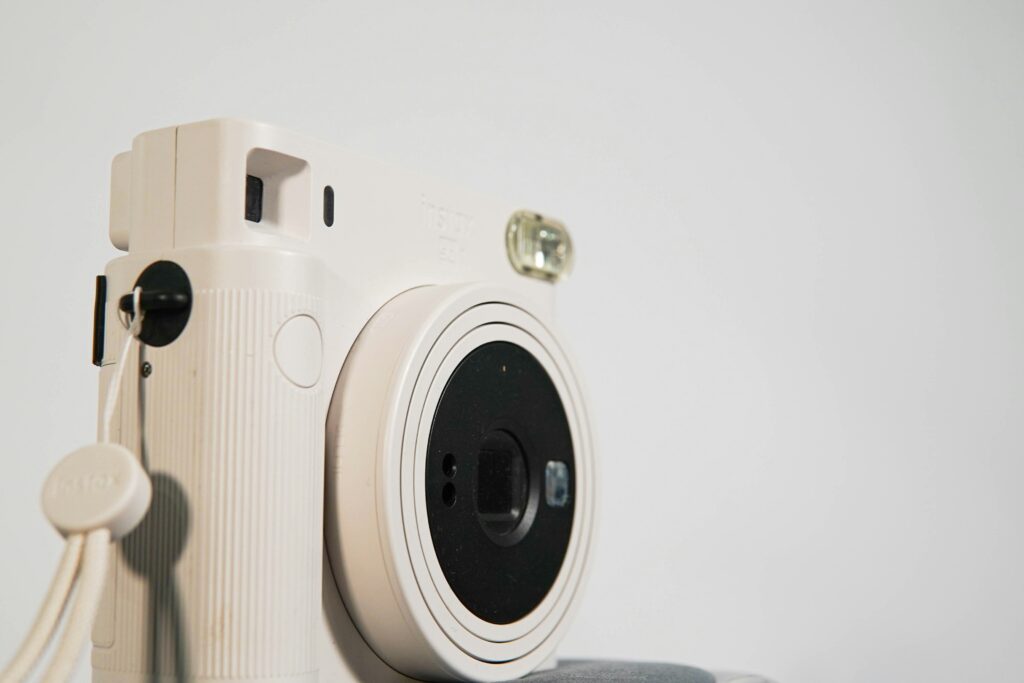
Quality Comparison: Why Compact Cameras Beat Phones in Details
When it comes to capturing moments, today’s smartphones pack impressive features, but can they really match the quality of a compact digital camera? While phones offer convenience, compact cameras have the edge in capturing details that truly pop. Let’s dive into why you might want to carry a compact camera if you’re after sharper, richer photos. Here’s how compact cameras bring out the best in your shots, and why they’re worth having in your photography toolkit!
1. Sharper Images with Larger Sensors
Compact cameras come with larger image sensors, which allow them to capture more detail than even the best smartphone cameras. This means that when you zoom in on an image, it doesn’t get grainy or pixelated as quickly as it does with a phone. For those special moments or breathtaking views, compact cameras give you an image that holds up to a closer look. Larger sensors also perform better in low light, so you can count on them to produce sharp photos, even when the lighting isn’t perfect.
With compact cameras, you’ll also see richer colors and deeper contrasts in your images, giving each photo a professional finish. Phones are designed to process images quickly for social media, sometimes sacrificing detail to make photos “share-ready.” With a compact camera, you have more control over the settings, allowing you to capture the scene exactly as you see it. So if you’re aiming for clarity and color that pop, a compact camera gives you a major advantage.
2. Zoom Without Sacrifice
One big area where compact cameras outshine phones is their optical zoom capabilities. Phones often rely on digital zoom, which basically crops and enlarges the image to get closer, leading to a loss in quality. Compact cameras, on the other hand, have optical zoom lenses that bring subjects closer without compromising on detail. Whether you’re snapping a landscape from afar or capturing an unexpected moment on the street, the optical zoom on a compact camera gives you crisp close-ups that a phone just can’t deliver.
Imagine this: you’re at a concert or a sports event, and you want to capture the details on stage or the excitement on the field. With a compact camera, you can zoom right in without losing quality, letting you relive the moment with sharp, clear images. Phones are getting better at zooming, but they still struggle to compete with the optical zoom that even an entry-level compact camera can offer. Optical zoom lets you capture tiny, intricate details—think the expression on a performer’s face or the texture on a building—without any pixelation.
3. Low Light? No Problem!
If you’ve ever tried to take a photo at night or in dim settings, you know that smartphones often struggle. Most phones rely heavily on processing tricks to make low-light photos look decent, but the result is often noise and blurred details. Compact cameras are designed to handle low light more effectively, thanks to their larger sensors and better lenses. This means that when the lights are low, your compact camera can capture clean, detailed shots with far less grain than your phone.
Another advantage of compact cameras in low-light situations is the ability to control the ISO and shutter speed settings. When you can adjust these settings manually, you can reduce noise and get a well-lit shot without relying on filters or flash. This is particularly useful if you’re trying to capture the mood of a dimly lit café, a city skyline at dusk, or a cozy candlelit setting. With a compact camera, you’re not just capturing the scene—you’re preserving the atmosphere, too!
4. More Control for Creative Shots
One of the best things about compact cameras is the creative control they offer. Phones are optimized to make everything automatic, which is handy, but it doesn’t leave much room for adjusting your shots. Compact cameras, however, give you options to change the aperture, shutter speed, and ISO. This is perfect for anyone who wants to learn more about photography and experiment with different settings.
With a compact camera, you can blur the background to make your subject stand out (thanks to adjustable aperture settings), or you can freeze fast action by tweaking the shutter speed. Want a bright, dreamy look or a dark, moody vibe? You’ve got the controls to make it happen! Unlike phones, which often decide the “best” look for you, a compact camera lets you shape the image to fit your vision. You’ll find that with a bit of practice, you can create images that truly reflect your style and creativity.
5. Ready for Any Adventure
Compact cameras are built to capture moments, whether it’s a road trip, a concert, or a quiet evening. Their durability and battery life make them ideal for long days out, and you won’t find yourself scrambling to charge up like you might with a phone. Plus, compact cameras are designed for portability, with lightweight designs that fit easily into a bag or even your pocket.
While phones are great for quick snaps, a compact camera’s dedicated build and performance make it a more reliable option for planned photography adventures. You don’t have to worry about incoming calls interrupting your perfect shot or dealing with a cluttered photo gallery. With a compact, you’re fully focused on capturing the moment—without distractions.
Zoom Capabilities Unleashed – Exploring Far-Off Subjects
In the world of photography, getting close to a subject is not always an option. Sometimes, your shot requires a bit of distance—maybe it’s a beautiful landscape, a fascinating street view, or a small bird perched far away. This is where compact digital cameras come into their own with exceptional zoom capabilities, bringing distant subjects right up close. Unlike smartphones that often rely on digital zoom, compact cameras offer true optical zoom, which preserves the details, clarity, and quality of your image. Let’s take a closer look at why compact cameras are the champions when it comes to exploring far-off subjects and how they can help you capture those moments with precision and style.
1. Optical Zoom: The Real Deal in Close-Up Quality
The difference between optical and digital zoom is like night and day, and if you’ve ever zoomed in with a smartphone, you know why. Most phones rely on digital zoom, which is essentially just cropping and enlarging the photo. This means that as you zoom in, the quality quickly drops, and the image becomes grainy. Compact cameras, on the other hand, use optical zoom, which physically adjusts the lens to get closer to the subject. This maintains the integrity of the image, preserving the clarity and detail that you just can’t achieve with digital zoom alone.
Optical zoom in compact cameras lets you get right into the action, whether you’re far back in the crowd at a concert or trying to photograph wildlife without getting too close. With optical zoom, your compact camera can zoom in smoothly and accurately, ensuring that you capture every detail of your subject. You’ll notice sharper lines, true colors, and a level of detail that’s simply out of reach for a typical smartphone. Optical zoom feels like you’re bringing your subject closer in reality, not just in pixels.
2. Far-Off Wonders: Perfect for Nature and Wildlife Photography
If you’ve ever tried to capture a shot of a bird or an animal from a distance, you know the challenges. Animals don’t usually wait around for you to get the perfect shot, so a good zoom feature is essential. With a compact camera, you can zoom in from afar and capture those natural moments without startling your subject. This is especially useful for wildlife photography, where getting too close can disrupt the animals or even be dangerous. The optical zoom lets you photograph them from a safe distance while still bringing out all the detail you want.
Imagine you’re hiking and come across a stunning view or spot a deer grazing in the distance. With a compact camera, you can zoom in and get a crystal-clear shot that keeps all the details intact. The combination of zoom and focus in compact cameras helps ensure that even far-off subjects stay sharp and vivid, capturing a moment as if you were right there. For nature enthusiasts and adventurers, the compact camera’s zoom opens up a world of photo possibilities that a phone just can’t match.
3. Capturing Cityscapes and Landscapes with Precision
Cityscapes, architecture, and landscapes are amazing subjects, but they often require a bit of distance to capture their full beauty. With compact cameras, you can zoom in on specific details—like the intricate carvings on a distant building or the layers of a mountain range in the horizon—without losing the overall effect of the scene. This lets you play with perspective, bringing focus to small but impactful elements that enhance the larger scene.
For example, if you’re in a bustling city, you might want to capture the details of a building’s design from across the street. With the compact camera’s zoom, you can isolate the details of the architecture and highlight the unique character of the structure. This same zoom power allows you to experiment with different parts of the landscape, picking out individual trees, rocks, or cloud formations without sacrificing the big picture. Compact cameras let you dive into the details while still framing the wider view beautifully, so you can capture the best of both worlds.
4. Why Optical Zoom Beats Digital Zoom Every Time
One of the biggest frustrations with smartphone cameras is the pixelation that comes with digital zoom. Phones essentially crop the image, so every level of zoom decreases the quality. Compact cameras, however, keep things looking sharp at every zoom level because they rely on optical adjustments. Optical zoom physically changes the lens distance to magnify your subject, which is why the image stays clear no matter how far you zoom.
With a compact camera, you don’t have to worry about your photo becoming a pixelated blur when you zoom in. This allows you to shoot in more challenging environments—be it a crowded event or a faraway subject. For example, at a sports game, compact cameras let you zoom in on the action, catching athletes in mid-move with all the fine details preserved. With a phone, this would likely turn into a mess of colors and pixels, but with a compact, you capture clear movement and facial expressions, giving life and energy to your photos.
5. Zoom and Stabilization: A Perfect Duo for Sharp Shots
One of the perks of compact cameras is their stabilization technology, which often pairs well with zoom capabilities. When you zoom in on a distant subject, even the slightest shake can make your image blurry. Compact cameras come equipped with stabilization features that reduce the impact of small movements, giving you a sharper image even at maximum zoom. This is particularly useful when shooting handheld, as holding a camera steady for a zoomed-in shot can be tricky.
Whether you’re trying to capture the details of a city skyline or a far-off mountain peak, the stabilization in compact cameras helps keep your shots steady and sharp. You’ll be able to see the textures and colors without any blur, even if you’re zoomed in all the way. This stabilization combined with the zoom feature is ideal for travel photography, allowing you to capture high-quality shots without needing a tripod. It’s one of the reasons compact cameras are popular with adventurers and travelers who want the freedom to shoot wherever they go.
6. The Ultimate Travel Companion: Zoom for Every Occasion
Compact cameras are designed to be portable, powerful, and easy to use—making them the ultimate travel companion. Their zoom capabilities mean that whether you’re in a city or the countryside, you can capture every detail from any distance. It’s like carrying a mini telescope in your pocket, one that transforms distant subjects into crystal-clear memories. And the best part? You don’t need to get too close, which keeps your photography natural and spontaneous.
From vacations to everyday outings, a compact camera’s zoom feature lets you see the world up close, even when you’re far away. It’s perfect for anyone who loves taking photos that tell a story, whether it’s the bustling energy of a festival, the quiet beauty of nature, or the architectural charm of a cityscape. With a compact camera, your adventures are fully within reach—no more settling for grainy, low-quality zoom photos on your phone!
Battery Life Showdown: Which Lasts Longer on a Night Out?
When you’re out for a night with friends, snapping photos left and right, the last thing you want is a dead battery. We’ve all been there: right in the middle of capturing the perfect shot, and suddenly, your phone shuts down. So, if you’re wondering if a compact camera or a smartphone has your back for a night out, let’s break down which option is likely to last you through the evening.
1. Phones vs. Compact Cameras: The Real Battery Challenge
For most of us, our phones aren’t just cameras—they’re everything. From checking messages to ordering an Uber, a smartphone is constantly working. With all this multitasking, battery life tends to take a serious hit, especially when you add taking photos and recording videos to the mix. Meanwhile, compact cameras are built to do just one thing: take pictures. This single focus is a big advantage for battery life. Unlike your phone, a compact camera isn’t draining energy on multiple tasks in the background, which means it can usually last longer when taking photos alone.
Consider a typical night out. You’re probably taking group selfies, snapping pics of the cool ambiance, or capturing moments on the dance floor. A compact camera, with its optimized settings for capturing photos and videos, can handle this all night without that dreaded battery warning. Plus, it means you’ll have your phone’s battery reserved for essentials like staying connected or finding your way home.
2. Flash and Video: The Battery Drainers
As any seasoned night photographer knows, flash photography and video recording are two of the biggest battery-drainers on any device. Using a flash, in particular, can zap your phone’s battery faster than you might expect, leaving you scrambling for a charger. Compact cameras, however, are designed with a more efficient flash system and typically come with larger batteries relative to their single purpose.
With a compact camera, you’re free to use the flash as much as you need without worrying as much about losing power. This is great for nightclubs, parties, or any dimly lit settings where you want to capture everyone’s face clearly. Plus, recording video is a major benefit of compact cameras. While it can also be a drain, compact cameras are built to handle longer video sessions compared to most phones, meaning you’ll get more footage without the fear of sudden shutdown.
3. Photo Quality Without the Battery Drain
One big reason compact cameras last longer than smartphones on a night out is that they can capture high-quality photos without taxing the battery. Phones often rely on software and processing power to improve photos, especially in low-light settings. This constant processing, coupled with bright screens and apps running in the background, means more battery drain.
Compact cameras, on the other hand, are designed to capture clear, sharp images right out of the box without as much battery-draining processing. They don’t need extra apps or settings adjustments—they’re good to go as soon as you turn them on. This efficiency makes them a reliable choice if you want battery life to last all night, allowing you to get clear photos with every click without the drain that comes with smartphone processing.
4. Swappable Batteries: The Compact Camera’s Secret Weapon
Here’s where compact cameras really shine: many of them have swappable batteries. Instead of worrying about your device dying halfway through the night, you can simply carry an extra battery or two. When one runs out, swap it out and keep going. This isn’t an option with most phones, where you’re stuck if your battery dies (unless you have a bulky power bank in your pocket).
This swappable battery feature gives you peace of mind. Whether you’re capturing moments at a friend’s wedding or a night out on the town, you can be sure you won’t miss any memories. A fresh battery means your compact camera will stay ready for the next shot, and you don’t have to worry about hunting for a charger or plugging in a portable power bank.
5. Low-Power Mode: Extending Battery Life Even Further
Some compact cameras come with a low-power mode, similar to the one on phones. But here’s the difference: on a camera, low-power mode doesn’t mean sacrificing quality. It simply adjusts a few settings, like dimming the display or reducing image preview time, which can add hours to your battery life. Low-power mode on compact cameras doesn’t compromise the quality of your shots, which means you can still capture high-resolution images even when you’re saving battery.
On a smartphone, low-power mode often reduces brightness, limits apps, and slows down background functions, which can impact the speed and usability of your phone overall. With a compact camera’s low-power mode, you’ll get the best of both worlds: energy conservation and high-quality shots. This feature makes compact cameras a great choice for long nights out where you want every last ounce of battery to last.
6. Your Phone Gets a Break: Compact Cameras Let You Focus on the Fun
Using a compact camera for photos means you’re not draining your phone’s battery. This way, your phone can stay ready for other things like checking maps, messaging friends, or calling a ride at the end of the night. It’s reassuring to know that you can capture as many photos as you want without risking your phone dying halfway through the evening.
Imagine being at a concert or a night market, capturing amazing photos with a compact camera while your phone’s battery stays untouched. You’re free to enjoy the event, keep your phone’s battery safe, and still walk away with a ton of memorable shots. Using a compact camera on nights out can be a win-win, giving you the quality shots you want without stressing about phone battery levels.
7. The Ultimate Companion for Long Nights Out
If you’re someone who loves to capture every moment, a compact camera might be your ultimate companion for long nights out. With its superior battery life, efficient flash, and swappable batteries, you can take photos all night long without worrying about running out of power. It lets you focus on enjoying the night instead of constantly checking your phone’s battery percentage.
A compact camera is perfect for those times when you want to capture everything, from selfies with friends to shots of the nightlife around you. Its single-purpose design helps ensure that it’ll go the distance with you. So, next time you’re headed out for an unforgettable evening, consider packing a compact camera. It just might be the secret to capturing all the memories without sacrificing your phone’s battery life.
In the end, when it comes to battery life, compact cameras are the clear winner on a night out. Not only can they capture high-quality images without draining quickly, but they also keep your phone free for other important tasks. So, for those nights when you want every memory saved and every shot counted, a compact camera has your back every step of the way.
Self-Expression Through Photography: Go Beyond Phone Limitations
Photography is an incredible tool for self-expression. It’s a way to share how you see the world and to capture details that are uniquely yours. But when you’re using a phone camera, you might feel limited. Sure, phones are convenient, but they can fall short when you want to take your creativity to the next level. A compact digital camera, on the other hand, offers more control, more freedom, and more options to create images that truly reflect your style. Let’s dive into why stepping beyond your phone’s limitations can open up a whole new world of creative possibilities.
1. Explore Manual Controls: Find Your Unique Style
Phones are great for quick snapshots, but they don’t always allow you to fine-tune your settings. You’re usually at the mercy of the auto settings, which can be frustrating when the lighting isn’t perfect or you’re trying to capture a specific mood. Compact cameras, however, come with manual controls that give you the freedom to adjust everything from aperture to shutter speed and ISO.
With these options, you can experiment with lighting, shadows, and focus, bringing out details exactly as you envision them. Want a sharp focus on your subject and a beautifully blurred background? With a compact camera, that’s completely within reach. You’re in control of the whole process, making it easier to develop a signature style. Plus, learning to work with these settings is not only fun but also incredibly rewarding for anyone who loves to create images that stand out.
2. Get Creative with Depth and Focus
One of the biggest drawbacks of phone cameras is their limited depth of field control. This makes it harder to create images with a strong focus on one subject while beautifully blurring everything else. A compact camera’s depth-of-field settings give you control over what’s sharp and what fades into the background. This helps you direct the viewer’s attention and create more dynamic, professional-looking shots.
Imagine capturing a portrait where the background melts away, leaving only your subject sharply in focus. Or try your hand at macro photography, where you zoom in on tiny details that tell a bigger story. With a compact camera, you’re no longer limited by what the phone’s software thinks looks good. Instead, you get to decide exactly how much depth and detail you want in each shot. This freedom is huge for self-expression and lets you tell stories through photos in a way that’s just not possible with a phone.
3. Experiment with Low Light and Colorful Scenes
Let’s face it: most phone cameras struggle in low light. They either need a flash, which can be harsh, or they just don’t capture the richness of colors and details. A compact camera, however, is designed to perform better in challenging lighting conditions. It can pick up subtle colors in a sunset, details in shadows, and rich contrasts, giving you photos that look true to life.
Have you ever tried capturing a neon-lit street at night, only for your phone to miss the colors or turn everything grainy? With a compact camera, those vibrant hues stay intact, and you can capture the scene just as you see it. This means you get to experiment with all kinds of settings, from dusk to dawn, and capture moods that phones often can’t handle. Imagine photographing a cityscape at night or a cozy indoor scene with soft lighting. The results can be stunningly atmospheric and much closer to how you remember the moment.
4. Tell a Story Through Lenses and Angles
Another perk of compact cameras is the ability to switch between different lenses and angles. Phones have improved their zooms, but a compact camera’s zoom is on another level. With a good optical zoom, you can capture scenes from afar without losing detail, which can be perfect for candid street shots, wildlife photography, or even concerts.
Not only do you get a better zoom, but compact cameras also make it easier to experiment with different perspectives and angles. Try shooting from a low angle to make a cityscape look towering, or use a wide-angle setting to capture the entire room at a party. Changing your perspective adds storytelling layers to your images, making them feel more immersive and intentional. With a compact camera, you get to create more variety in your shots, which helps your photos stand out.
5. Capture True Colors: Say Goodbye to Phone Filters
Phones tend to enhance colors automatically, often adding filters that can look overdone or artificial. With a compact camera, the colors you capture are true to life, giving you a clean slate to work with. This accuracy can be a huge asset, especially if you like to edit photos yourself. Instead of dealing with overly edited images, you get natural tones that reflect what you actually saw, whether it’s a blue sky, a golden sunset, or a friend’s genuine smile.
Once you’re working with true-to-life colors, you’ll have more creative control in post-editing if you choose to make adjustments. For some, editing is as much a part of self-expression as taking the photo. With a compact camera, you get images that allow you to tweak, play, and bring out your unique vision without any interference from phone software.
6. Enjoy the Process: Embrace the Intentionality of Photography
Using a compact camera can slow you down—in the best way possible. With a phone, it’s easy to take hundreds of quick snaps, but with a compact camera, each shot becomes more deliberate. You’ll find yourself thinking more about framing, lighting, and composition. It’s a mindful experience that lets you immerse yourself fully in the art of photography.
This intentional approach encourages you to take time with each shot, considering how it captures what you feel or want to express. Whether it’s a quiet moment at sunrise or a bustling scene in the city, you’re more likely to capture images that resonate deeply and hold personal meaning. And, in the end, that’s what self-expression through photography is all about—creating images that say something uniquely yours.
7. Rediscover the Joy of Pure Photography
When you’re not worried about notifications or checking social media, photography feels like an art form again. A compact camera gives you a break from your phone, helping you focus solely on capturing moments as they happen. Without the distractions, you’re free to lose yourself in the creative process and enjoy photography for what it truly is: a way to communicate, to connect, and to share your world.
In a way, using a compact camera is like stepping into a different mindset. You’re capturing moments with intention, exploring new angles, and pushing creative boundaries that a phone might limit. So, if you’re looking to express yourself in a fresh, fulfilling way, a compact camera can be the perfect tool to explore your unique perspective and go beyond the limits of your phone’s camera.


[…] Why Compact Digital Camera ? […]
[…] Kenapa Compact Digital Camera […]